Financing Corner • July 2026
DSCR Loans Explained: The Loan That Qualifies on Your Rent Roll, Not Your Tax Returns
Here is a conversation I have almost every week. A successful landlord or self-employed business owner wants to buy another rental. Their business is doing well, their properties cash flow, and their credit is strong. Then a Conventional Loan underwriter looks at their tax returns, sees years of legitimate write-offs, and calculates an income figure that would not qualify them for a starter condo. The system punishes them for doing exactly what a good CPA tells them to do.
This is the problem the DSCR Loan was built to solve.
How a DSCR Loan works

DSCR stands for Debt Service Coverage Ratio. Instead of qualifying you based on personal income, the loan qualifies the property based on its own rental income. The lender compares the property's monthly rent to its monthly housing expense (principal, interest, taxes, insurance, and any HOA dues). If the rent covers the payment, the property carries the deal.
What that means in practice:
- No tax returns. Your write-offs are irrelevant to qualifying.
- No employment verification. The lender is not calling your employer or averaging your business income.
- The rent does the talking. For a purchase, the lender typically uses the appraiser's market rent analysis or the lease in place; for a refinance, your actual rent roll.
What to Expect on Down Payment and Terms

DSCR Loans are investment property loans, so they require more equity than an owner-occupied mortgage. Plan on a down payment of 25% to 30%, with the exact figure depending on how strongly the property's rental income covers the proposed payment. Stronger coverage generally earns better terms. Our minimum loan amount is $200,000, and these loans are available for single-family rentals, condos, and 2-4 unit properties, for both purchases and refinances.
You will notice I am not quoting rates here. That is deliberate. DSCR pricing moves with the market and varies with the specific property, coverage ratio, credit profile, and loan structure, so any number printed in a newsletter would be wrong by the time you read it. Call me and I will price your actual scenario the same day.
Closing in an LLC
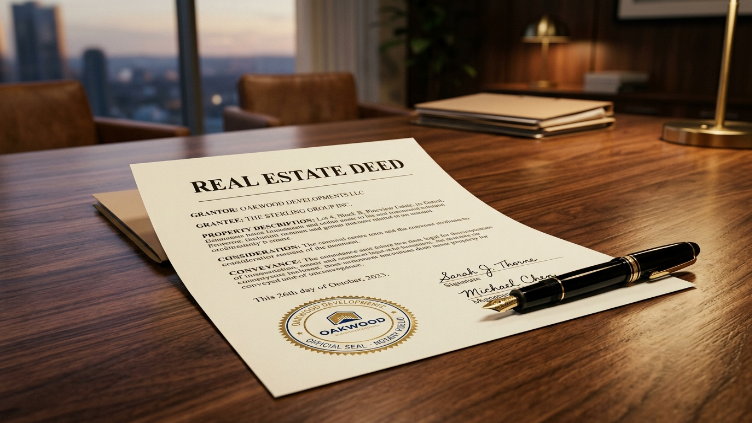
One of the most popular features for investors: DSCR Loans allow you to take title in an LLC, which many landlords prefer for liability and organizational reasons. That is generally not possible with a Conventional Loan without workarounds that create their own problems. If you currently own properties personally and are weighing a transfer into an LLC, talk to me first: moving title on a property with existing Conventional financing can raise due-on-sale issues, and it is often cleaner to address it as part of a refinance.
The Cash-Out Refinance play
In a buyer's market like the one covered elsewhere in this issue, the most common move I am helping clients make is a Cash-Out Refinance on a property they already own, using a DSCR Loan, to raise the down payment for the next acquisition. Your equity goes to work, the new property qualifies on its own rent, and your personal tax returns never enter the conversation. For landlords who have owned in LA for five or more years, the equity available is often larger than they expect.
When a DSCR Loan Makes Sense, and When it Does Not
A DSCR Loan is usually the right tool when your tax returns understate your real income, when you want to close in an LLC, when you are scaling past the property-count limits of Conventional financing, or when speed and simplicity matter. A Conventional Loan may still win if you have strong documented W-2 income, and it is worth comparing both. That comparison is exactly what I do on a scenario call.
This article is for informational purposes only and is not a commitment to lend. All loans subject to underwriting approval; program terms, availability, and requirements are subject to change. Not all applicants will qualify. Contact LendingPlace for current program details for your scenario.